Engineer by foundation. Scientist by pursuit. Most AI leaders arrive from one direction — either a research background that struggles with production reality, or an engineering background that never touches original science. Over 19 years, I've walked both paths.
The engineering foundation runs deep. I was part of the team that built Home Depot's enterprise customer rewards platform — a J2EE system serving 2,000+ retail stores, coordinated across Point of Sale, Finance, ETL, EDW, Tool Rental, and a 25-member offshore team. That's production software at national scale, years before ML was mainstream. Seaview Research, ServiceNow, Wiser Solutions — each added a layer: clinical systems, enterprise SaaS ML, real-time retrieval pipelines.
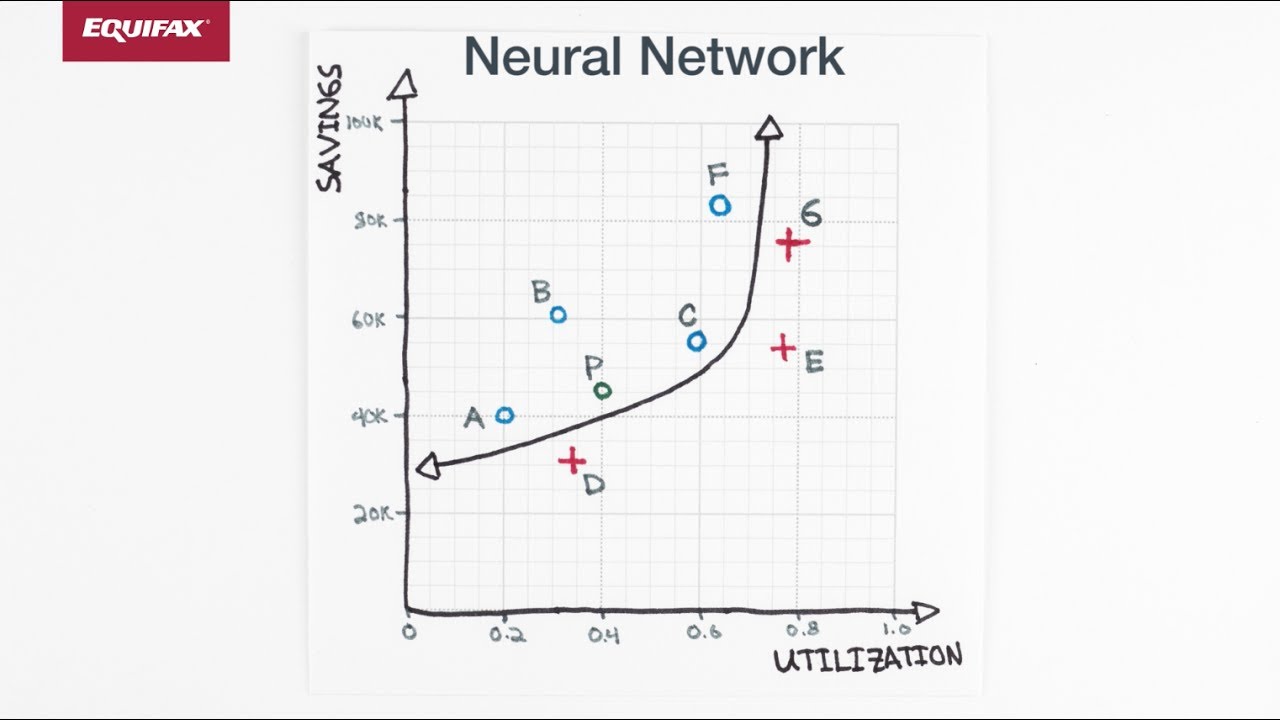
The science track runs just as deep. At Equifax's elite 10-person Data Science Innovation Lab, I designed the NeuroDecision Gen 3 algorithm — a monotonic neural network adopted across auto, mortgage, and utilities risk models globally.
I analyzed 9.6 billion tweets to develop a weak supervision methodology that predated the field's mainstream recognition of programmatic labeling. Both became US patents.
My patented work in Explainable Neural Networks for credit scoring has been recognized across the US, Canada, Australia, and the UK, and attracted interest from regulatory bodies worldwide. This work — and the related Optimal Path Planning for Credit Score Improvement algorithm — was presented at the Credit Scoring & Credit Control conference at the University of Edinburgh, co-authored alongside Equifax Data Science PhDs.
Recipient of the EB-1A Green Card — a classification reserved for individuals of extraordinary ability in their field, requiring demonstrated national or international acclaim. Currently serving as Staff Scientist, Artificial Intelligence Research at Ensemble Health Partners, promoted within 5 months of joining.